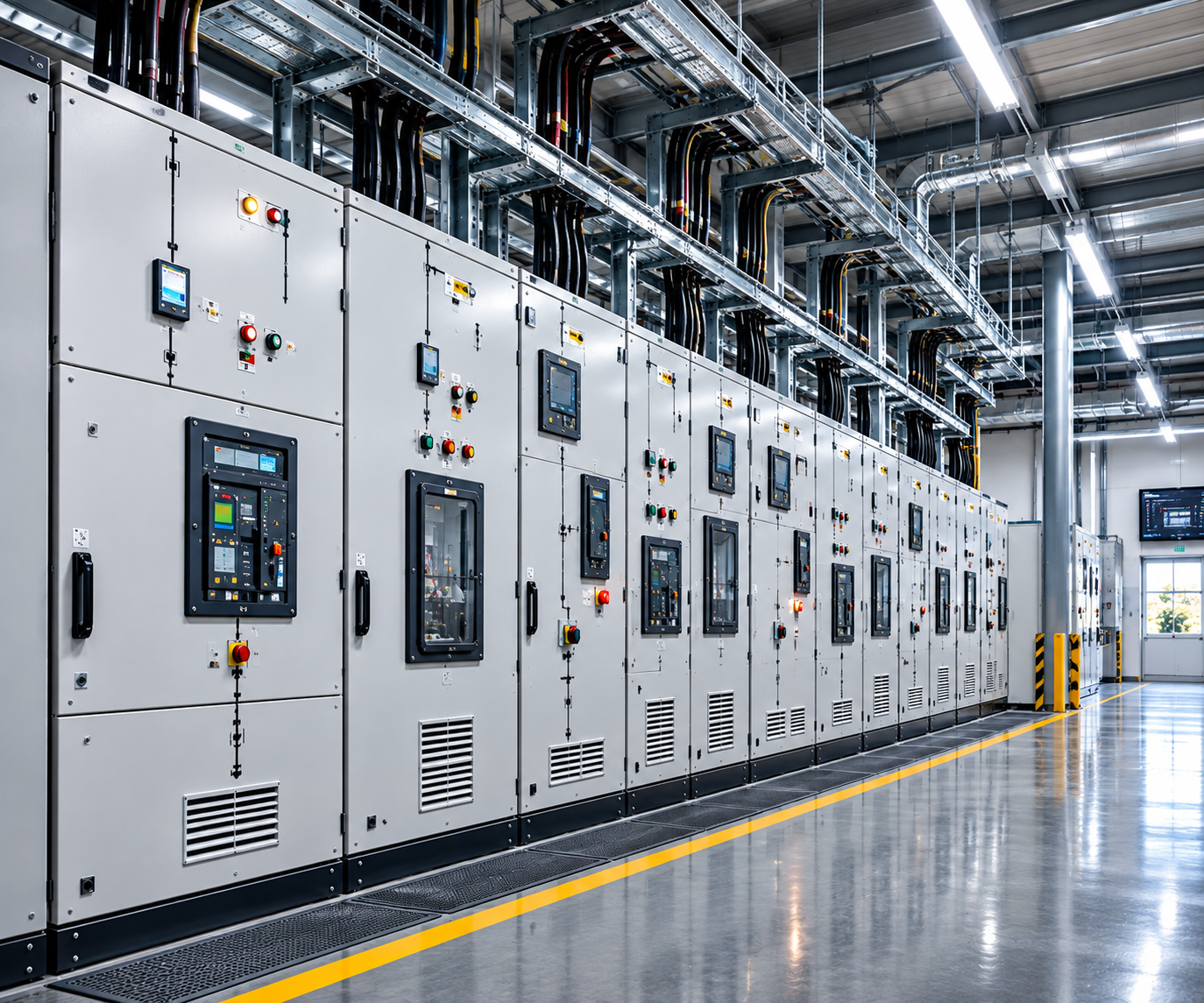
01 / SWITCHGEAR & CONTROL
Organized, serviceable, project-specific assemblies.
Configured around load schedules, fault levels, operational philosophy, redundancy and maintainability.
Our scope is structured around the complete power path — incoming supply, 11kV switching, transformation, low-voltage distribution, motor/control systems, cable networks, protection, earthing and final load connectivity. This gives clients one coordinated plan from utility interface to the equipment that actually consumes the power.
The page intentionally separates low-voltage distribution from the 11kV interface while presenting them as one integrated project. This keeps the system design technically clear and the project delivery commercially simple.
Rather than showing only panels or only cabling, the complete delivery model covers equipment, interfaces, protection, installation and commissioning as one coordinated electrical system.
VCB panels, RMUs, metering interface, protection relays, CT/PT integration, interlocks and utility-side coordination as required by the project.
Transformer selection and integration, compact/substation layouts, cable terminations, LV interface, earthing and coordinated equipment placement.
PCC, main LT panels, MDB/SMDB, bus couplers, incomers, outgoing feeders, metering and protection arrangements for reliable low-voltage distribution.
MCCs, VFD panels, soft starters, starter feeders, PLC interface and control wiring designed around motors, pumps, fans and process loads.
APFC, harmonic-aware solutions, AMF/ATS, DG integration, UPS interface and source changeover strategies to support continuity and power quality.
HT/LT cable routes, trays, trenches, glands, terminations, busduct integration, earth grid, equipment earthing and bonding across the installation.
Premium electrical delivery is not defined by equipment alone. The quality of routing, terminations, segregation, access, protection coordination and commissioning determines how the system performs after handover.
Configured around load schedules, fault levels, operational philosophy, redundancy and maintainability.
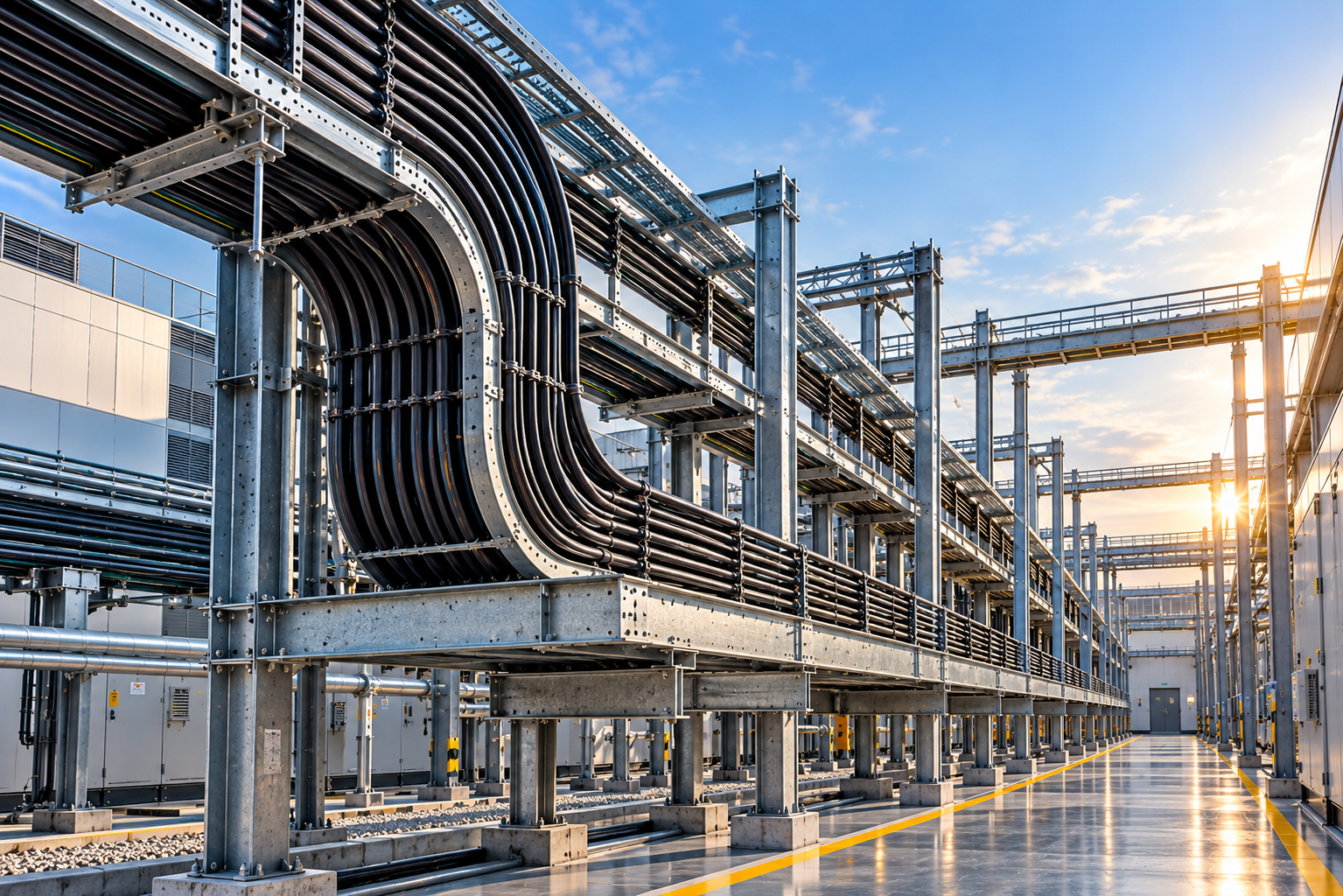
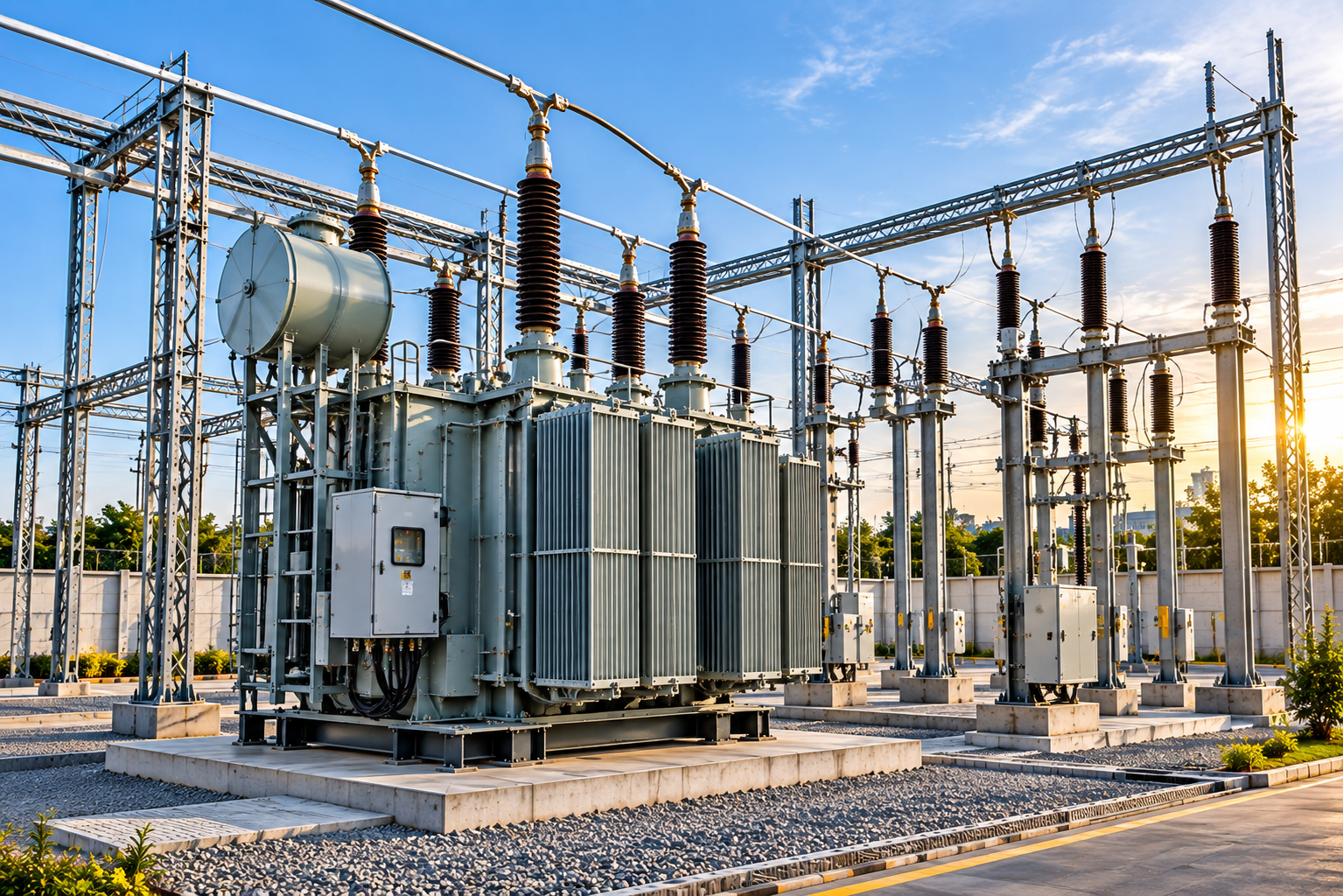
A serious electrical project page should show the interfaces that typically decide quality on site — not just the headline equipment.
Load schedules, feeder sizing, distribution philosophy, equipment schedules and coordinated drawings.
Breaker/relay philosophy, selectivity approach and settings support based on approved design inputs.
PCC, MCC, APFC, AMF, VFD, feeder, distribution and control panel interfaces.
HT/LT power, control cables, trays, trenches, glands, lugs, ferruling and identification.
Earth pits/grid, equipment earthing, panel earth bars, cable armour bonding and continuity.
Energy meters, multifunction meters, CT integration and communication-ready points where required.
Feeder labels, cable tags, drawings, test records and handover documentation organized for operations teams.
Access, isolation, work sequencing, clearances and site controls aligned to project safety procedures.
Understand source, loads, routes, space, operating constraints and future expansion.
Survey / InputsSLD, layouts, feeder/cable schedules, protection philosophy and multidisciplinary interfaces.
Design / ReviewEquipment, switchgear, cables, accessories and project-specific assemblies coordinated to approved specifications.
Supply / BuildPanel placement, cable laying, busduct, terminations, earthing, control wiring and field interfaces.
Execute / ControlInspection, insulation/continuity checks, breaker/relay functional checks and equipment-specific testing.
Verify / RecordControlled energization, functional verification, final documentation and operational handover.
Energize / Closeout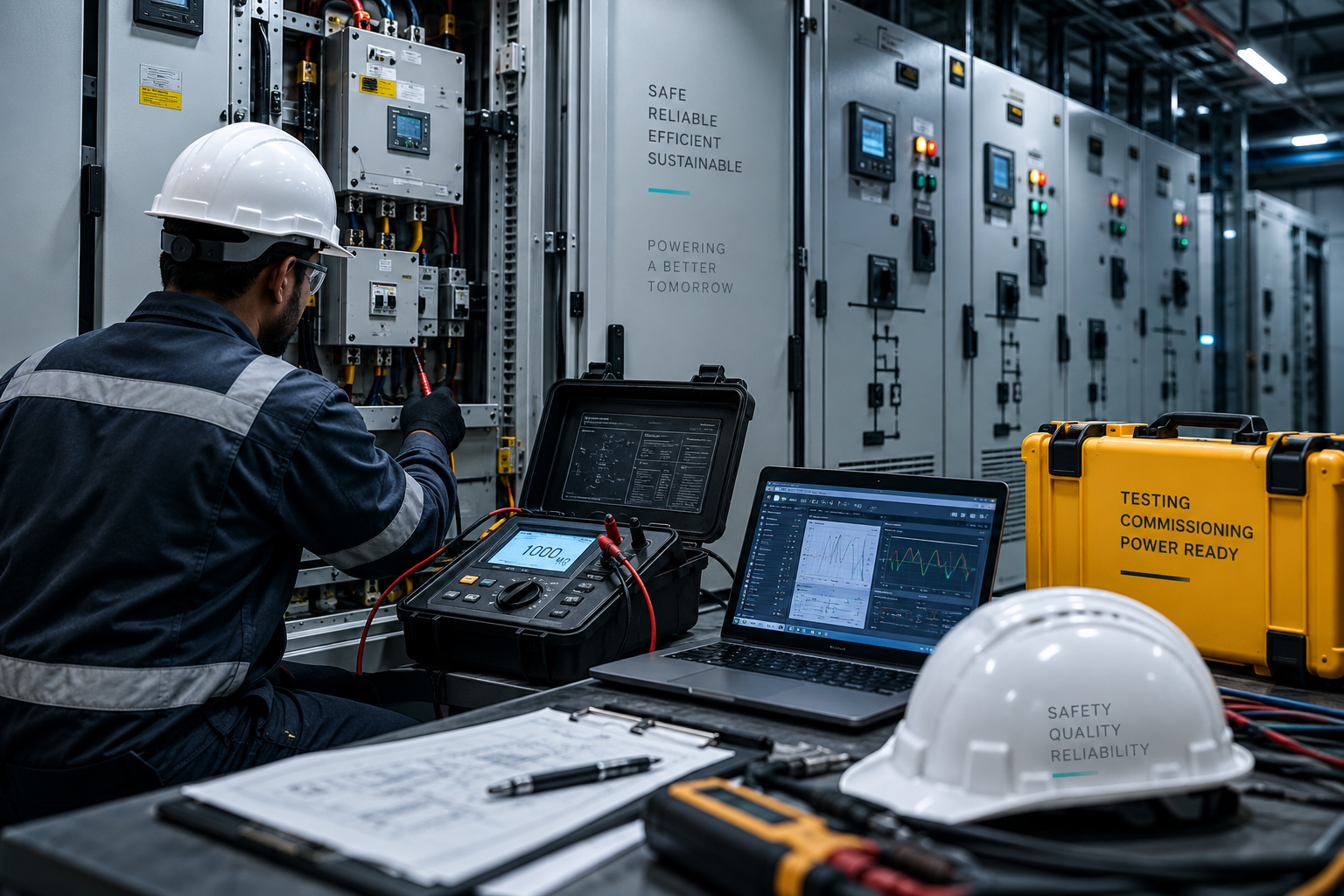
Testing scope is finalized against equipment type, approved procedures, OEM instructions and project requirements. The objective is simple: confirm that the installed system is safe, correctly connected and ready for controlled energization.
The same technical expertise can be adapted to different load profiles, redundancy needs, environmental conditions and operating priorities.
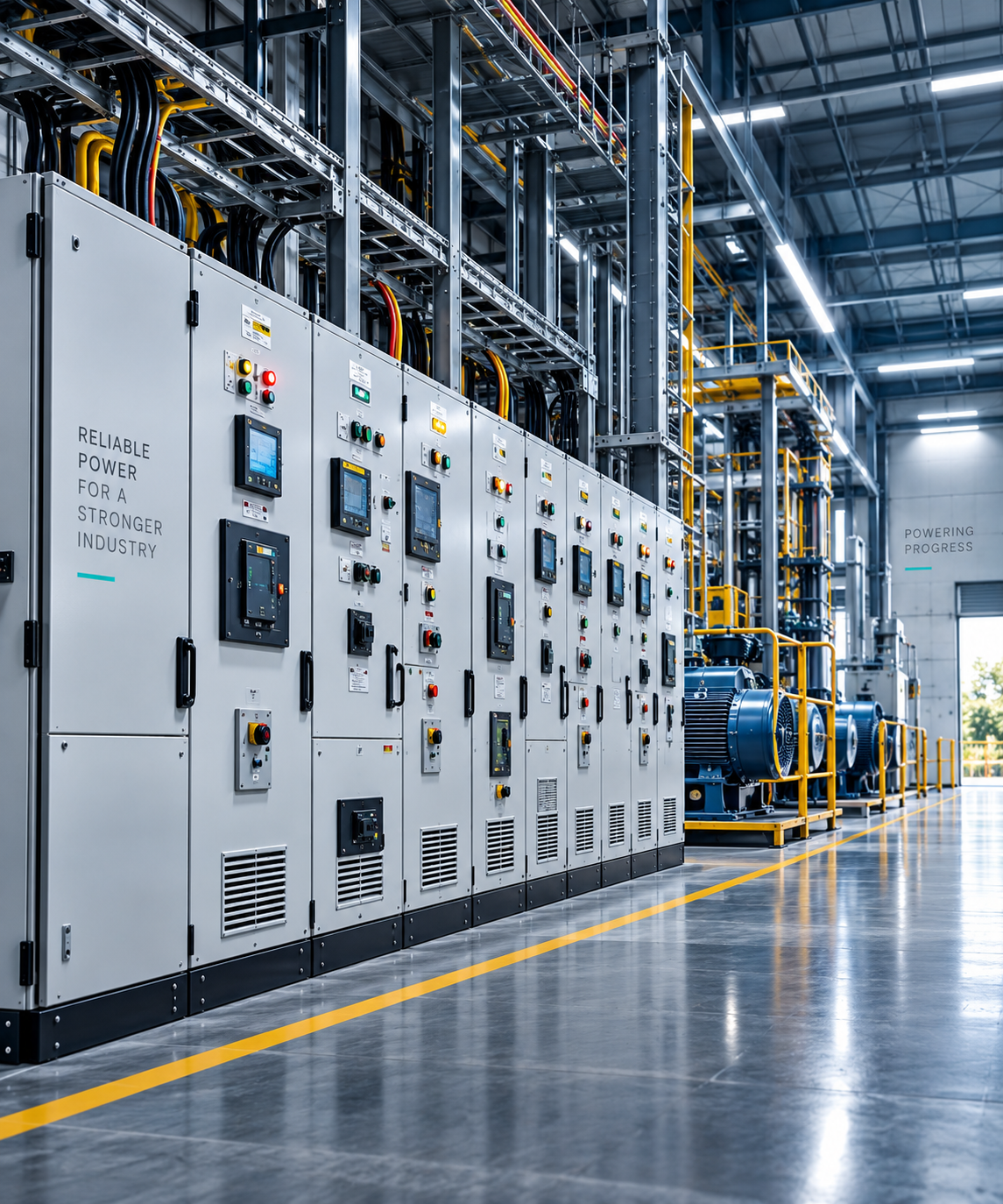
Motor-intensive loads, MCCs, VFDs, process continuity and scalable distribution.

Main distribution, backup power, critical services and maintainable building infrastructure.
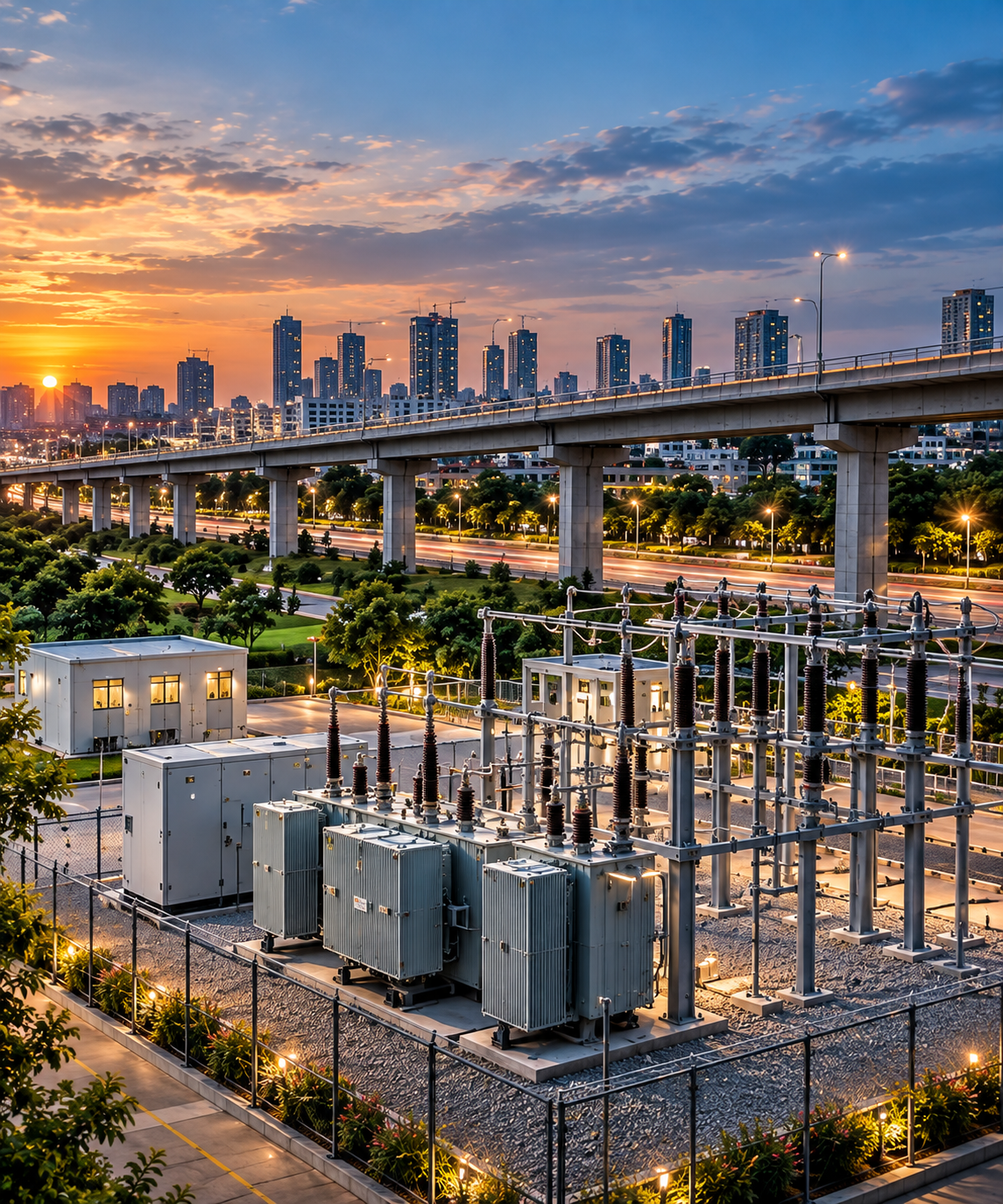
Distributed loads, long cable routes, outdoor equipment and multiple power zones.

Source redundancy, controlled changeover, essential circuits and operational reliability.
The differentiator is not one product brand. It is the ability to coordinate the whole electrical path around the actual site, operating philosophy and future requirements.
Share your load schedule, SLD, site requirements or tender scope. We can structure the electrical distribution package from 11kV interface through the complete LT network.
Discuss LT / 11kV Project